Leadership, Culture, and the Architecture of Change
America is not experiencing temporary chaos — it is undergoing a deliberate transformation. Leadership norms are being dismantled and culture is being rewritten so that cruelty, domination, and division are reframed as strength. This is not accidental. It is how systems change when power is determined to endure.
Transformation is underway in the United States—and it is working.
Not in the way it is described in management books or leadership seminars, but in the way transformation actually unfolds when power is determined to reshape a system. There is a leader – Donald Trump driving the significant change. Culture is being actively rewritten, including how history itself is framed and remembered. New processes are being installed to support an authoritarian shift, reinforced by the normalisation of coercive power and increasingly militarised enforcement. This is not accidental drift; it is designed reinforcement.
Republicans appear to understand and deploy technology better than Democrats, and they are using it effectively—amplifying division, distorting truth, and normalising harm at scale. Technology is not merely a channel in this transformation; it is an accelerant.
“America is not experiencing temporary chaos — it is undergoing a deliberate transformation.”
What was once broadly understood as good—restraint, accountability, integrity, equality before the law, respect for institutions—is now reclassified as weakness. What was once considered bad—cruelty, exclusion, corruption, domination—is being reframed as strength. This inversion is not incidental. It is the outcome of deliberate transformation.
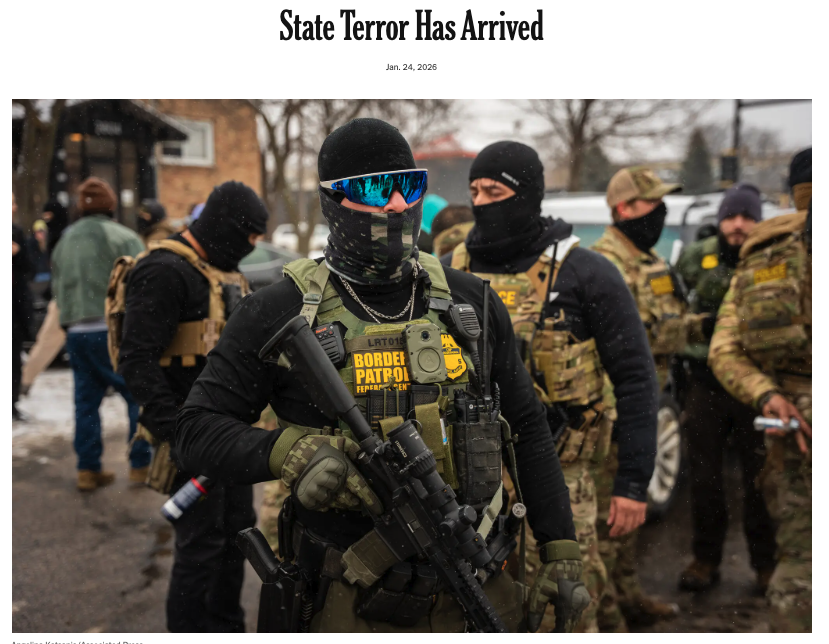
“What was once considered good is now framed as weakness; what was once unacceptable is reframed as strength.”
Abraham Lincoln warned that “a house divided against itself cannot stand.” What he could not have anticipated is a nation that remains outwardly functional while its internal systems transform in plain sight. America today is not experiencing temporary disorder. It is undergoing a structural transformation—one where chaos is no longer an anomaly, but a feature.
Leadership & Management: Power Without Constraint
America is no longer at the risk stage of democratic backsliding. It is past that threshold.
Leadership is no longer measured by restraint, accountability, or institutional respect, but by dominance, disruption, and personal loyalty. Norm-breaking is not accidental—it is strategic. Oversight is reframed as obstruction. Accountability is dismissed as persecution.
“Norm-breaking is no longer accidental. It is strategic.”
The electorate chose an indicted criminal with a history of failed businesses and ethical breaches to return to power. The chaos that followed was predictable. What is more troubling is how quickly this conduct has been normalised.
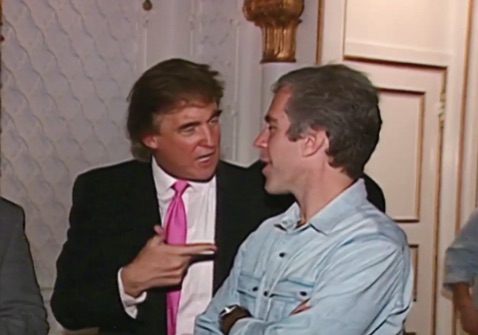
Some of Trump’s decisions are bold. A few are even strategically clever. But isolated brilliance does not compensate for deep systemic damage. Leadership that weakens institutions while concentrating power is not innovation—it is erosion.
“Leadership that weakens institutions while concentrating power is not innovation — it is erosion.”
The silence and lack of clear visible action are revealing the shallow, old school thinking of the opposition. Transparency is promised, then deferred. Accountability is demanded of opponents, but never of the leader. Performance replaces governance. As the citizens demand action, the political opposition looks weak and ineffective.
Culture: Normalising Division and Regression
Culture is where transformation becomes durable.
America’s political culture has shifted from disagreement to antagonism, from debate to spectacle. Civil rights are not advancing; they are retreating. Protections once assumed permanent are being questioned, re-litigated, or dismantled.
“Cultural decay doesn’t announce itself. It settles in when people decide this is simply how things are now.”
Race remains central to this regression. Whether or not one chooses the word hate, the pattern of actions is unmistakable. Policies, rhetoric, and symbolic gestures consistently disadvantage Black Americans and other minorities. When harm is repeated and predictable, intent becomes secondary to impact.
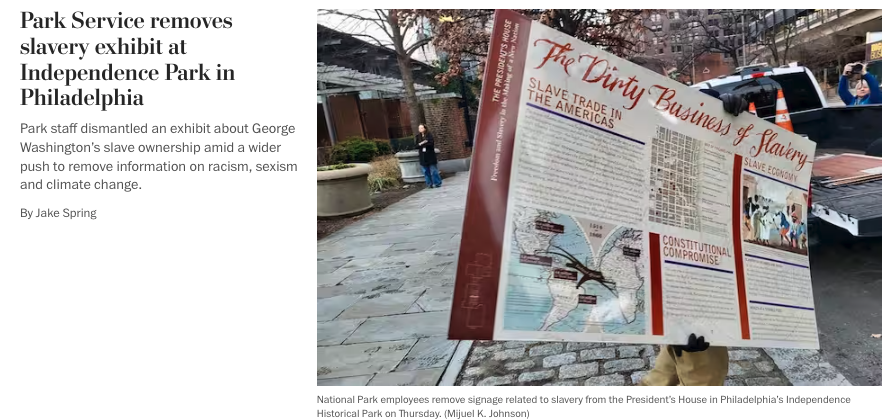
“When harm is repeated and predictable, the stated intent becomes irrelevant. The harmful pattern becomes the truth.”
Politics increasingly resembles reality television—endless outrage cycles, constant escalation, manufactured drama. But unlike entertainment, the consequences are real: fear replaces trust, cruelty becomes defensible, and exhaustion substitutes for engagement.
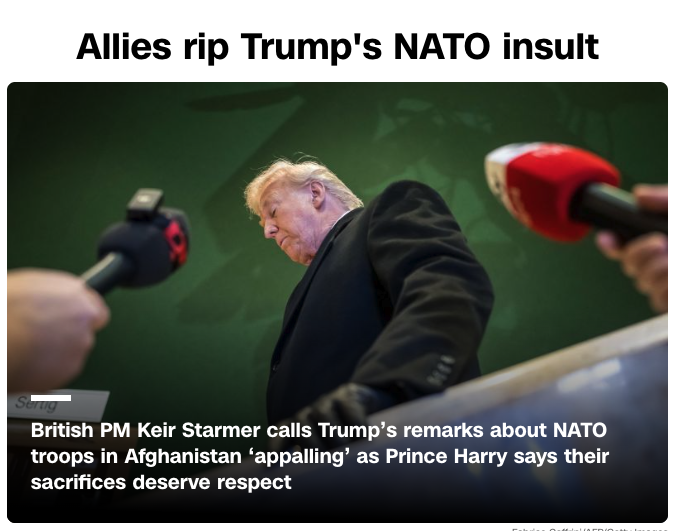
“Cruelty becomes defensible when exhaustion replaces engagement.”
Many continue to believe that the mid-terms elections alone will correct this. Recent history suggests that vote process may not be as smooth as what was once expected in America. Leaders like Trump when put under pressure rarely soften; they harden.

In Part 2, I look at how process and technology lock this transformation in—and what responsibility still rests with citizens.
 Being Arthur