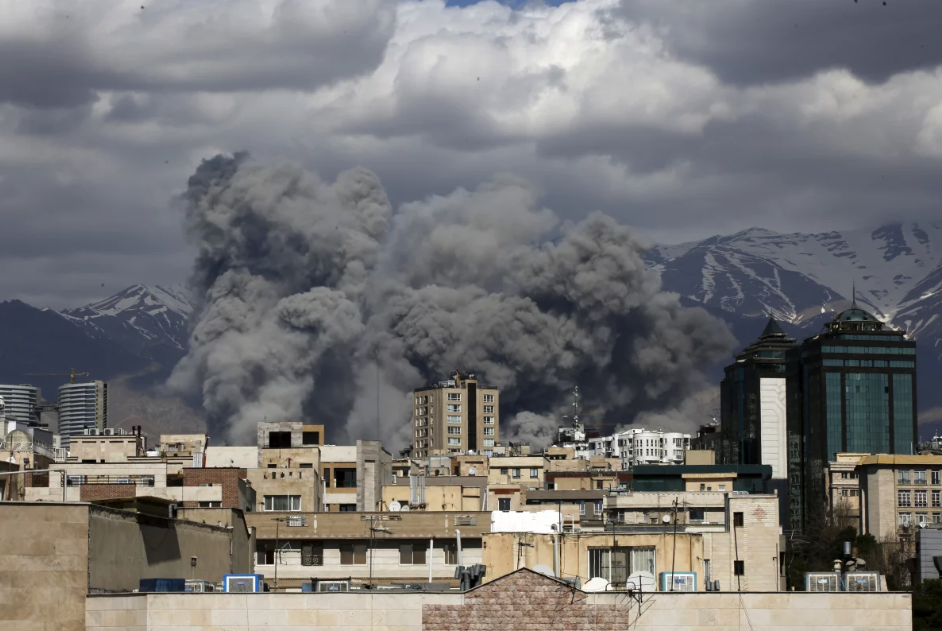
Like many, I have been thinking about the US-Iran War lately.
Not in slogans. Not in party lines. In history.
The United States’ role in regime change in the Middle East is not new. And when regime change has been encouraged or supported by the US, the results have often been far more complex — and far more costly — than expected.
History has a habit of repeating itself.
A Brief History
1953: The United States and the United Kingdom support the overthrow of Prime Minister Mohammad Mossadegh. The Shah is strengthened — seen by many Iranians as a ruler backed by the West. Stability returns, but resentment grows.
1979: Iranians take to the streets demanding change. The Shah falls. Millions welcome Ayatollah Khomeini home from exile. It feels like liberation. Then theocracy replaces monarchy. Anti-American anger becomes embedded in the new regime.
2003: In Iraq, the US removes Saddam Hussein. Statues fall. People celebrate. Then insurgency, sectarian violence, and years of instability.
2026: Once again, the US is leading military action in Iran in the name of regime change. Removing a regime has repeatedly proven easier than building a new stable regime.
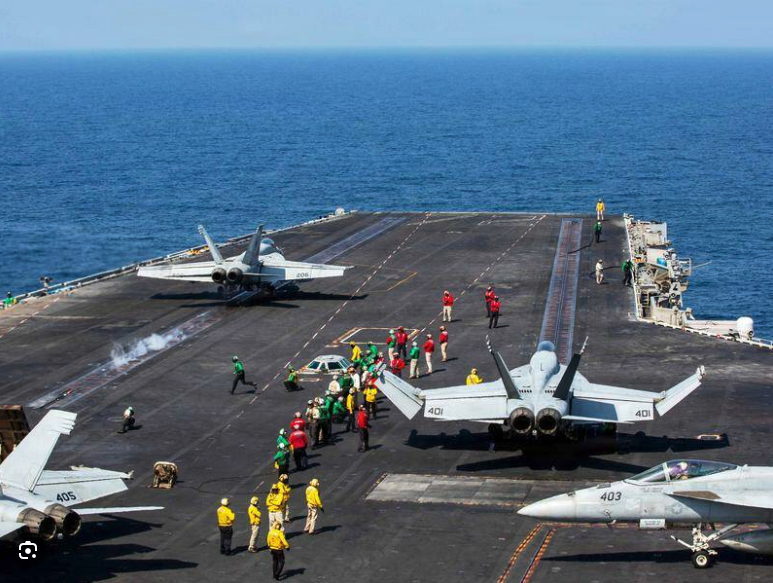
The Art of the Deal…or How to Scrap a Deal and Start a War
Before this war, there was a nuclear agreement.
Under President Barack Obama, the United States and other global powers negotiated a deal with Iran to limit its nuclear program. It was imperfect, but it imposed inspections and slowed enrichment. It created space.
President Donald Trump withdrew from that agreement, calling it flawed and promising a stronger deal. The stronger deal never came. Sanctions intensified. Trust collapsed. Iran accelerated. Diplomacy gave way to confrontation.
Now we are at war.
See No Risk, Speak No Risk, Hear No Risk
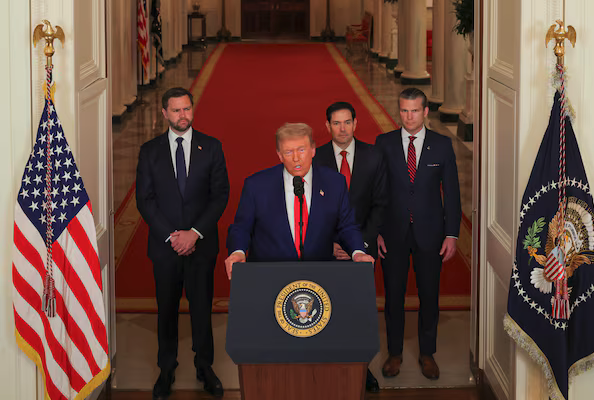
The Iranian regime is repressive. It has jailed and killed protestors, suppressed women, and destabilised neighbours. But opposing a regime does not remove the obligation to examine risk.
Iran is not Iraq. It is not Libya. It is not Afghanistan. It is an ancient civilisation with deep national identity and a long memory of foreign intervention.
Many Iranians despise their government. Many also resent foreign interference. Once a regime is removed, the freedom many imagine may not automatically follow.
History in this region does not reset when a statue falls.
It hardens. It fragments. It remembers.
And while Washington talks about regime change, America faces inflation pressures, healthcare strain, border tensions, and economic uncertainty at home. War does not fix those problems.
Military personnel are not toy soldiers to be deployed into another generational conflict without absolute clarity of purpose.
So the question is no longer abstract. Is this strategy or distraction?
Are we beginning something we fully understand? Because if history is any guide, the cost will not be paid in slogans. It will be paid in lives, stability, and time.
 Being Arthur