Leading with Purpose, Leaving a Legacy
International
Film
Executive Producer: Enjoy Your Visit

Executive Production Overview
As Executive Producer of Enjoy Your Visit, I had the privilege of working with an exceptionally talented creative team led by Emmy Award–winner Erin Cramer. The project also brought together my fellow Executive Producer Stephen Hammond and Producers Danae Grandison and Lauren Owen. Together, we shaped and supported Erin’s vision—one grounded in history, dignity, and truth.
Purpose and Themes
The film honours the powerful contributions of interpreters at institutions such as Mount Vernon, whose work brings forward stories too often obscured or softened by time. Their commitment ensures that the humanity of those who lived through enslavement remains present, accurate, and emotionally resonant. Enjoy Your Visit recognises both the weight of that responsibility and the ongoing challenges faced by those who safeguard these narratives.
Cultural Resonance
The message of the film speaks with particular clarity to audiences of colour and Indigenous communities, who recognise within it a shared experience of resilience, survival, and cultural memory. These connections extend beyond geography—they are deeply human and profoundly intergenerational.
Enjoy Your Visit release information and public viewing
Enjoy Your Visit is not publicly released yet. It is now entering the festival circuit—a crucial window where it has the opportunity to broaden understanding and deepen public awareness of the lived realities of the enslaved. A public release will follow once the festival journey concludes.
Inaugural Chair, League of Descendants of the Enslaved at Mount Vernon

I was honoured to serve as the Inaugural Chair of the League of Descendants of the Enslaved at Mount Vernon—a role that carries deep personal meaning and a profound sense of responsibility.
The League was established to give voice, structure, and leadership to the descendants of those whose lives, labour, and humanity shaped Mount Vernon and the early United States. For generations, their stories were diminished, misrepresented, or left untold. Today, through the work of the League, we ensure those stories are preserved with honesty, accuracy, and dignity.
As Chair, my focus was on building a strong foundation: clear governance, respectful engagement, cultural integrity, and a shared vision that honours both the past and the future. We remain committed to supporting interpreters who portray the enslaved, expanding awareness, and deepening public understanding of the realities of slavery—not as distant history, but as lived experience with lasting impact.
This work is deeply personal. The mission resonates with people of colour and Indigenous communities around the world who recognise the importance of truth-telling, cultural preservation, and the power of reclaiming narrative.
This is legacy work. And it was an honour to serve.
Conference Speaker and International Lecturer

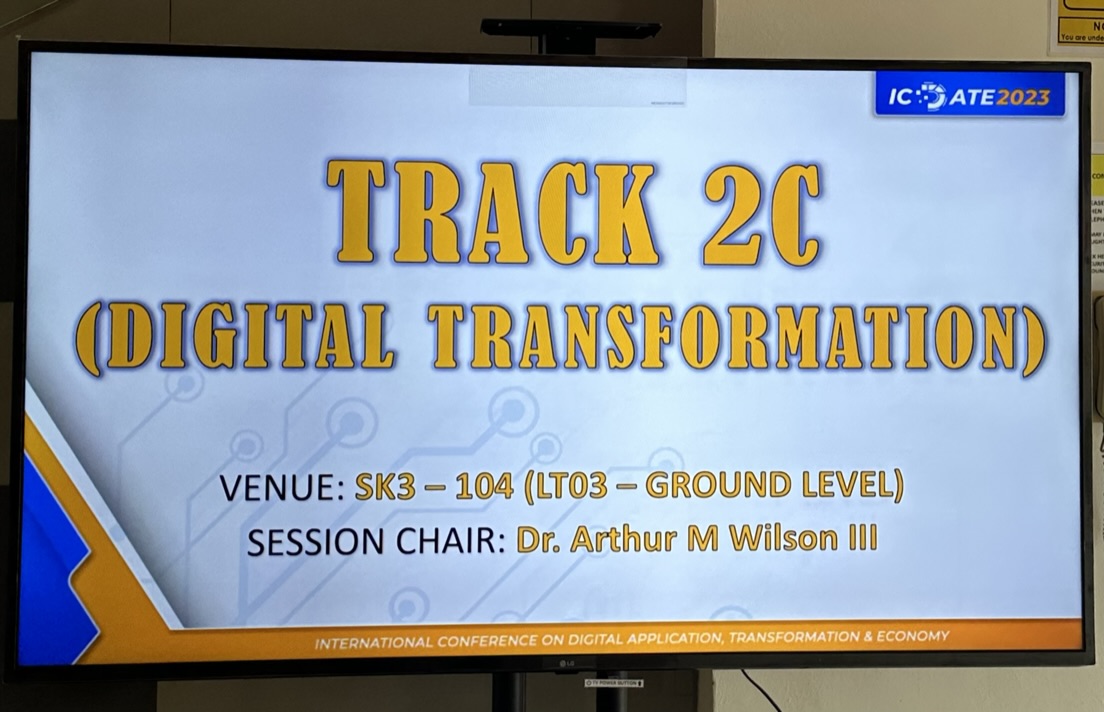
I have presented at international conferences and delivered lectures across Canada, Italy, the United Kingdom, Singapore, Kenya, and Malaysia, sharing insights drawn from years of leading and studying complex transformation. Whether discussing community-led initiatives, organisational change, or the interplay between social systems and emerging technologies, my work centres on a common theme: how real change happens—and why it often doesn’t. Across continents and cultures, I highlight practical frameworks and lived experiences that show how social dynamics, leadership behaviours, processes, and technologies must align for meaningful, lasting impact. These engagements have allowed me to contribute to global conversations on resilience, governance, and the design of systems capable of supporting people, communities, and industries through periods of transition and transformation.
Australia
WA Government Health Logistics Strategy
I played a key leadership role in developing the WA Government Health Logistics Strategy—a statewide initiative aimed at modernising supply chains, improving visibility of critical resources, and building a more resilient, efficient health logistics network. This project brought together clinical leaders, policy teams, and operations staff to redesign core systems and position WA Health for a new era of digital integration and data-driven delivery.
WA Government Health E-Commerce Initiative
This early e-commerce initiative marked one of WA Health’s first major steps toward digital procurement and online transaction systems. I secured over $600,000 in funding, gained the support of the Government Health Supply Council (GSC), and led the project from concept through implementation. The program helped drive the transition from paper-based processes to streamlined digital workflows—reducing delays, improving accountability, and creating greater transparency across the procurement chain. This was a pivotal moment for WA Health, demonstrating how technology could simplify complexity, strengthen governance, and ultimately improve the public’s access to timely, reliable health services.
WA Government Online
As part of the broader WA Government Online initiative, I served as the project lead responsible for designing solutions and managing the practical implementation needed to bring the strategic vision of online government services to life. The focus was on increasing accessibility, improving information flow, and enabling citizens and businesses to interact with government more easily, efficiently, and transparently. Delivering this required a true whole-of-government approach—working across agencies, aligning policy settings, revising legislation, and coordinating complex operational changes. Through this work, we created digital pathways that modernised service delivery and set the foundation for a more responsive, citizen-centred public sector.
Centre for Aboriginal Studies, Curtin University, Western Australia

My leadership journey has been deeply shaped by my work with Aboriginal colleagues, students, and communities through the Centre for Aboriginal Studies at Curtin University. During this period, I served as a lecturer and unit coordinator, contributing to course delivery, student support, and the development of learning environments grounded in respect for Aboriginal knowledge, culture, and identity.
I also contributed to Curtin’s Ways of Working initiative — a program designed to raise cultural awareness and strengthen the understanding of Aboriginal life, past, present, and emerging, across the University’s staff. This work helped build cultural capability within one of Australia’s largest tertiary institutions and reinforced the importance of listening, humility, and shared learning.
As part of my role in the Centre, I was a key member of a team that successfully secured a multimillion-dollar national grant focused on sustainability. This collaborative effort brought together prominent Australian researchers, senior Indigenous leaders, and a diverse group of experts committed to creating a more sustainable future. Being part of such a significant project broadened my perspective on the interconnectedness of culture, Country, environment, and long-term community wellbeing.
Lotterywest – State Lottery for Western Australia

At Lotterywest, I led a number of key projects, including the initiative to secure ISO 27001 certification and World Lottery Security Certification Standard (WLA-SCS)—making us the first lottery in the Asia Pacific region to achieve both. That effort required building the framework from the ground up: designing security training, deploying policy, embedding risk management and rigorous auditing—both national and international—into daily operations. It wasn’t a box-ticking exercise. It was about organisational change, shifting culture toward institutional trust, cross-border credibility, and making sure the systems held under real pressure. The certifications were the proof; the transformation was the outcome.
Southern Forests Region of Western Australia
Southern Forests Carbon Strategy & Pilot
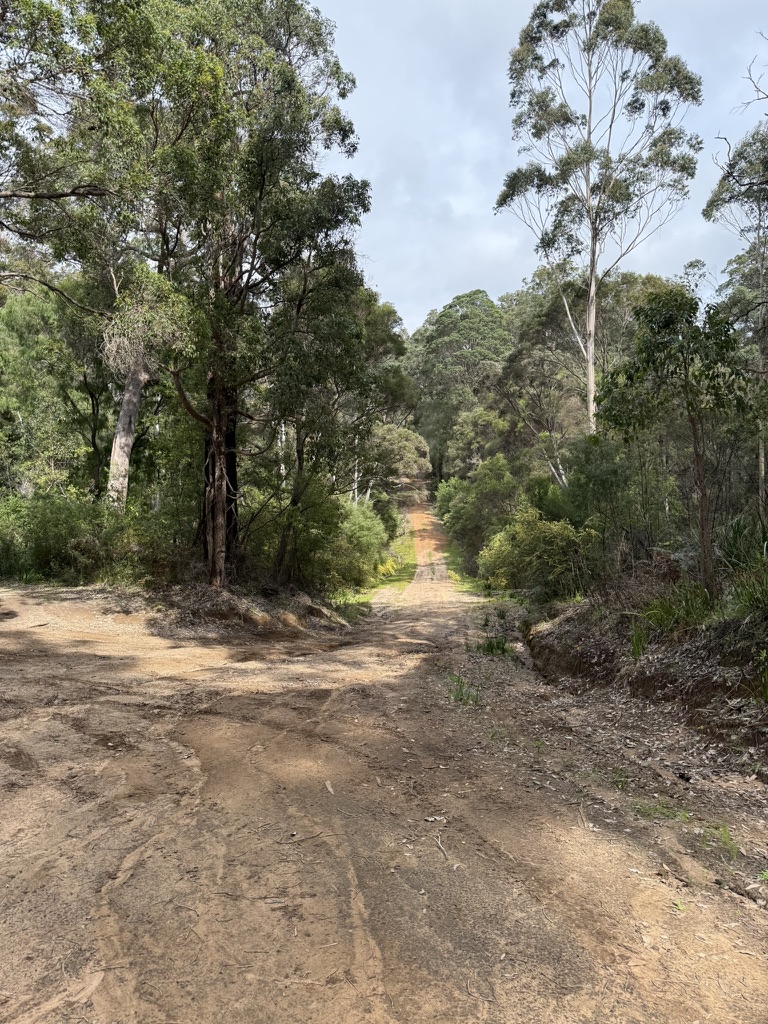
One of my most significant leadership initiatives during 2025 was the development of the Southern Forests Carbon Strategy and the launch of the Carbon Pilot—a first for the Southern Forests Region. Growers were facing increasing pressure from markets, supply chains, and government to demonstrate environmental responsibility, yet lacked clear, practical guidance. The Southern Forests Food Council (SFFC) brought structure to this complexity by aligning government direction, industry needs, and grower capability. The opportunity was transformative: positioning the Southern Forests as a leader in climate adaptation, equipping growers with baseline emissions knowledge, and building long-term competitiveness in domestic and international markets. The work also underpinned regional advocacy efforts informed by the independent economic assessments, strengthening the case for future investment and policy support. Each step of the pilot contributed to stronger regional collaboration as growers, agencies, and partners began working together toward a shared climate pathway.
Youth Engagement & the Southern Forests Young Growers Network
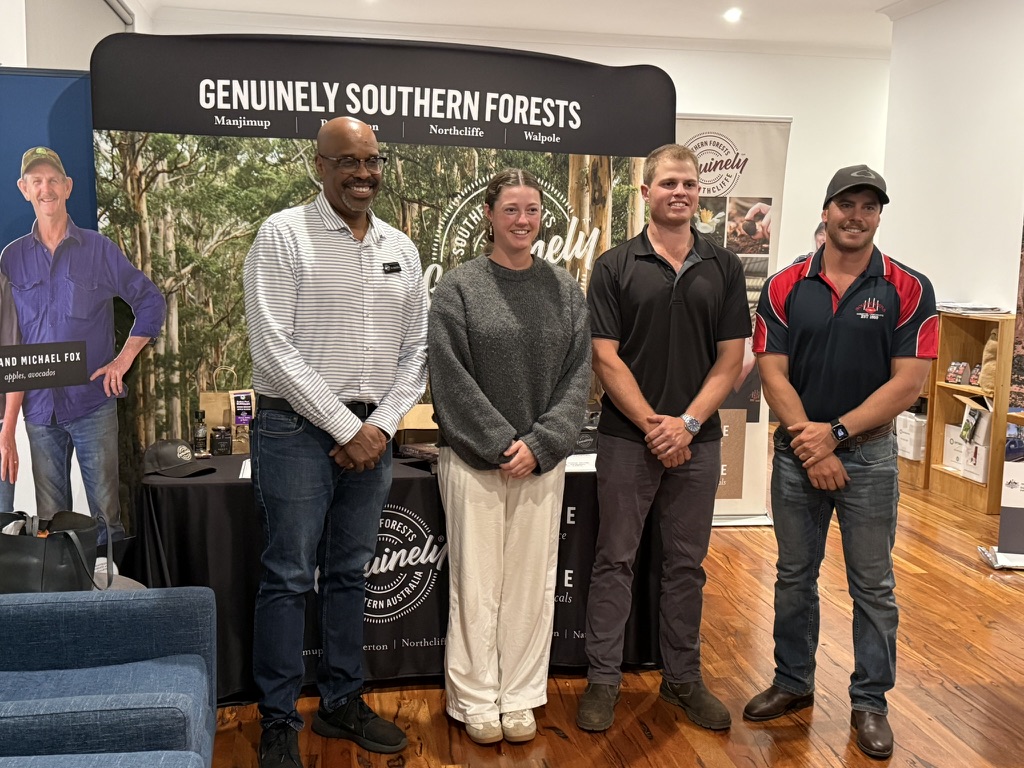
The SFFC led the development of the Southern Forests Young Growers Network—an initiative designed to support the next generation of producers. The challenge was clear: many young growers felt disconnected from strategic decisions, industry updates, and the broader identity of the region. We helped create a platform that gave them a voice, increased their technical and business capability, and built their confidence as future leaders. The opportunity was long-term and generational: a stronger, more resilient agricultural workforce, better succession planning across family farms, and a tightening of regional identity. This initiative not only empowered young growers but also aims to broaden collaboration across education providers, local government, and industry. In doing so, it strengthened the region’s collective future and built a leadership pipeline aligned with the values and direction of the SFFC.
Mental Health, Resilience & Community Wellbeing
Recognising the pressures placed on growers—from workforce shortages to rising costs, climate uncertainty, and market volatility—the SFFC championed a coordinated mental health and resilience agenda for the region. The challenge involved confronting stigma, fragmented support services, and a lack of accessible pathways for growers who needed help. We worked to bring clarity, coordination, and forward momentum to this space. The opportunity was profound: creating a healthier, more supported community capable of sustaining the region’s economic and social contribution. This work strengthened partnerships with service providers, government agencies, and community organisations, creating a wider safety net for producers. As with our other initiatives, this effort aims to deepen regional collaboration by aligning stakeholders around a shared priority—supporting the wellbeing of the people who carry the region’s agricultural economy.
Demonstrating the Region’s Contribution to the State’s Economy
A key leadership initiative was strengthening how the Southern Forests region tells its economic story. Although the region has long been one of Western Australia’s most productive agricultural districts, its true value was often under-recognised. By guiding detailed economic assessments with our partners, we helped quantify and communicate the region’s impact with clarity and credibility. The findings highlighted a premium horticultural industry contributing more than $233 million annually, within a broader agricultural and food manufacturing economy exceeding $750 million. They also showed that SFFC programs generate measurable value—over $6 million in uplift across branding, innovation, productivity, resilience, and human capacity. This work created a stronger foundation for advocacy, investment, and long-term regional planning. More importantly, it positioned the Southern Forests as a high-value, strategically significant food-producing region, giving growers a unified economic voice and supporting deeper collaboration across agencies, councils, and industry.
Delivering $6.1 Million in Annual Value for the Southern Forests Region
A new independent economic assessment has confirmed what many in the region already know: the Southern Forests Food Council delivers real, measurable value for Western Australia’s Southern Forests.
The report shows more than $6.1 million in direct economic value in 2023–24, generated through branding, marketing, industry development, and grower support initiatives. It also confirms a strong return on State investment.
As Chair of the Southern Forests Food Council, I’m proud of this result — but it’s important to be clear about where the credit belongs.
This outcome reflects the work of a small, highly capable, and results-driven SFFC team, and the commitment of local growers, producers, and businesses who back the Southern Forests brand and continue to invest in quality, collaboration, and long-term regional strength.
It also reflects the willingness of farmers to engage in new initiatives — from branding and market development through to innovation and sustainability — and to do so collectively, rather than in isolation.
Reports like this don’t measure effort or long hours. They measure impact. And this impact belongs to the people on the ground who make the Southern Forests what it is.

The full media release and report can be viewed here:
 Being Arthur